
Popsicle Mold Kits: Confirm Molds and Storage
Specify a popsicle mold kit by its selected mold, matching sticks and lid, then identify any storage box as a separate confirmed item. Ask the supplier to verify the exact combination and included quantities. Approve a labelled physical sample before ordering, keeping material, care and food-contact requirements tied to product-specific supplier information rather than to the appearance of a photograph.
A frozen treat assortment may contain several products with different jobs: forming the treat, holding the finished item and storing accessories. Yueran lists popsicle molds, an ice bin and food storage containers separately. A buyer planning a kit should therefore define the kit contents explicitly instead of assuming that neighbouring catalogue products form an interchangeable system.
Identify the exact mold configuration
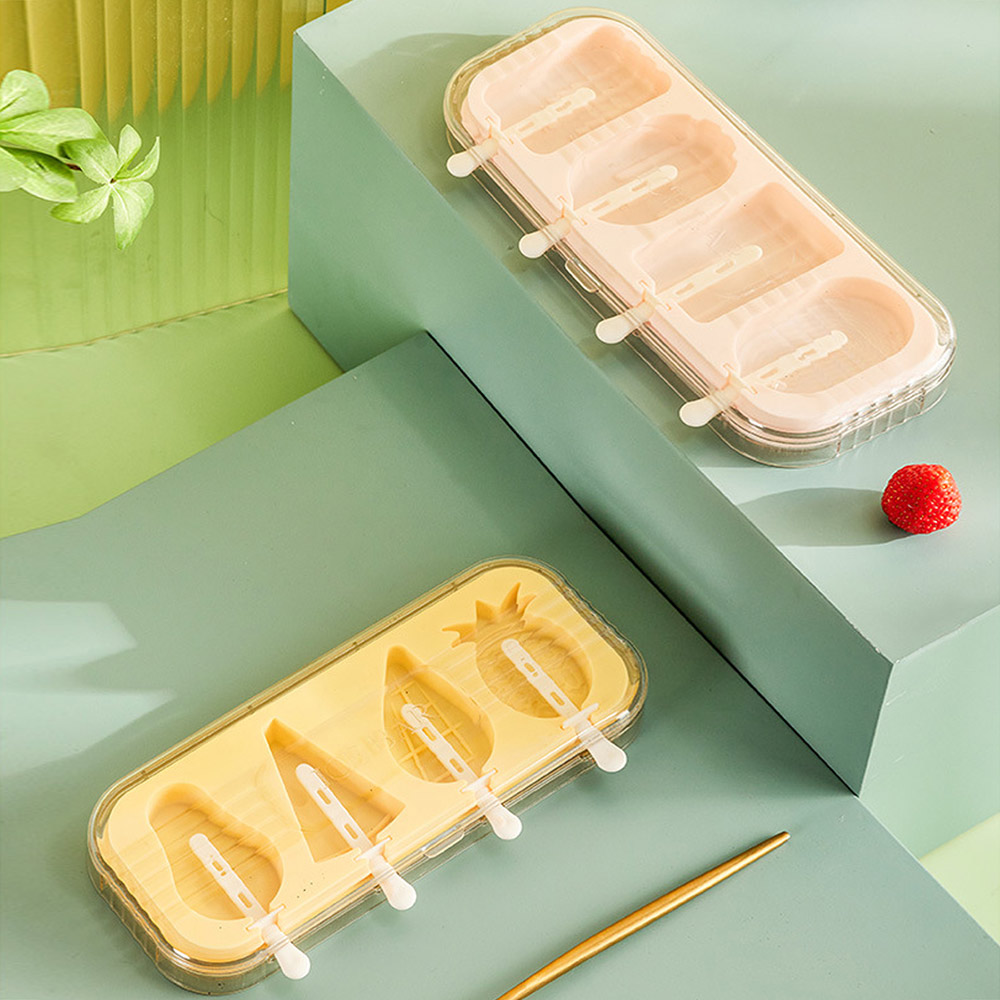
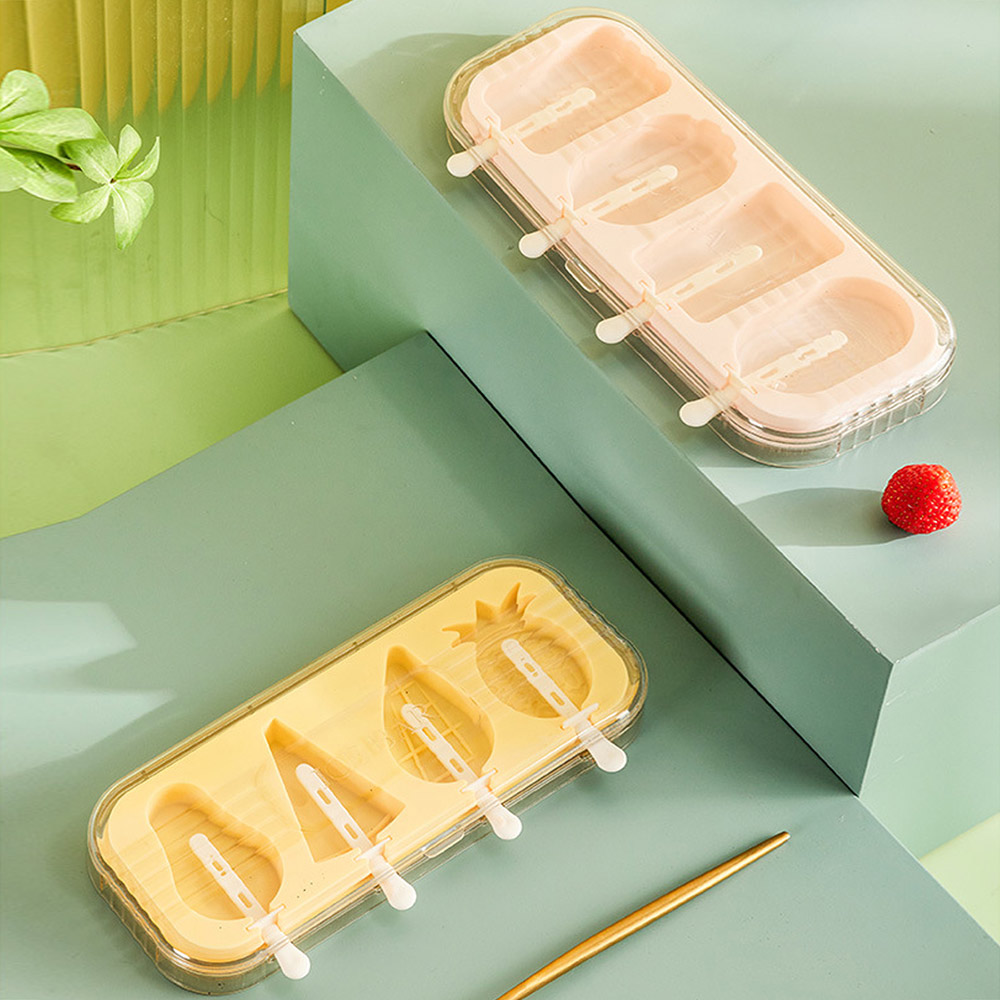
Begin with the selected cavity style and the corresponding supplier reference. The official mold photograph shows different shapes and matching stick positions. Mark the version required in the enquiry and ask which current configuration the supplier can quote. A category name such as popsicle mold does not resolve those physical differences.
Keep a reference image with the quotation response so a later reviewer can identify the selected item. Ask the supplier to confirm the actual mold construction and material information for that version. Do not infer a temperature range or food-contact status from a generic category description or a different product in the same range.
Catalogue references: Popsicle Mold, Cartoon Ice Bin, Food Storage Containers.
List sticks and lids as identified components
Ask whether sticks and covers are included with the quoted mold. Record the reference and quantity of each requested part, and confirm how they match the selected cavity configuration. Similar appearance is not enough to establish that a replacement stick or lid from another set will fit.
Where replacements are required, request a separate quotation line and an approved reference. Keep the matching components together during sample review. This makes the receiving check more useful than an instruction to count complete kits when the team has never agreed what a complete kit contains.
- Mark the selected mold shape in the enquiry.
- Confirm matching sticks and covers individually.
- Treat separate storage items as explicit order lines.
- Retain the approved component list and packed reference.
Choose storage as a separate purchasing decision
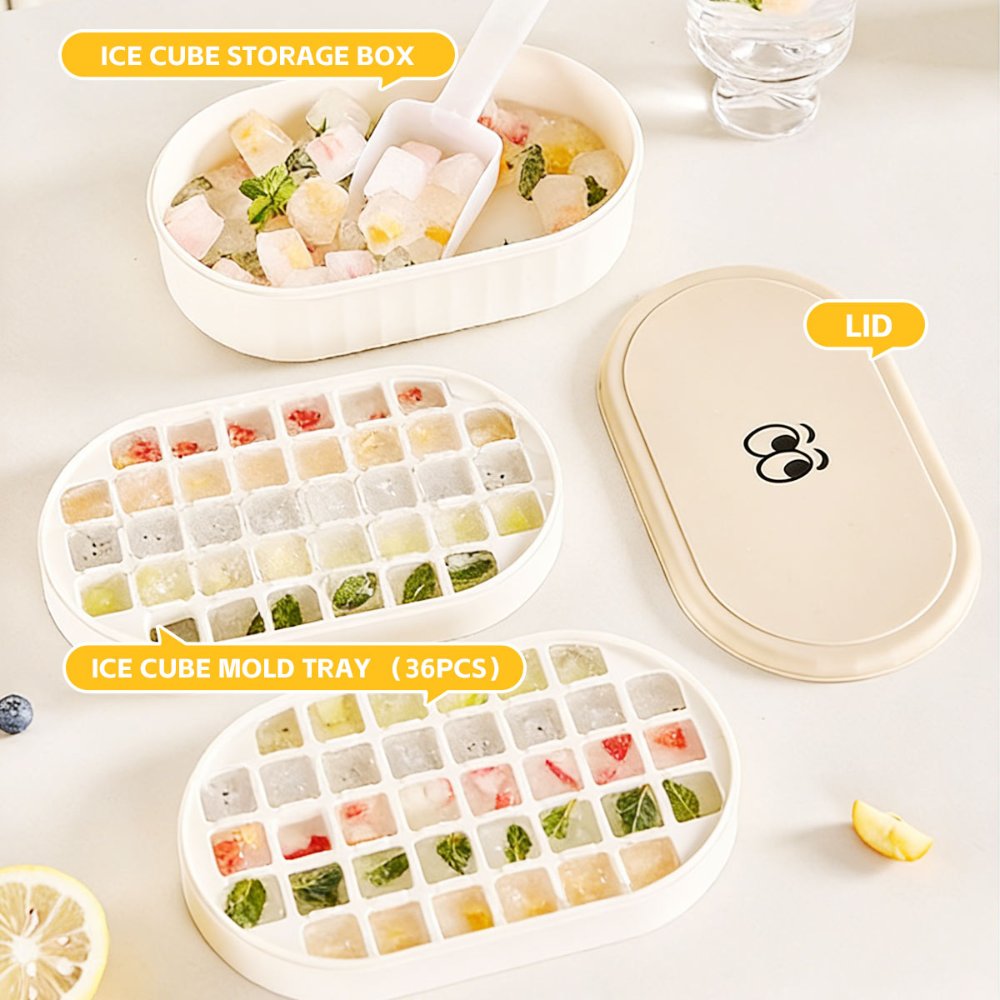
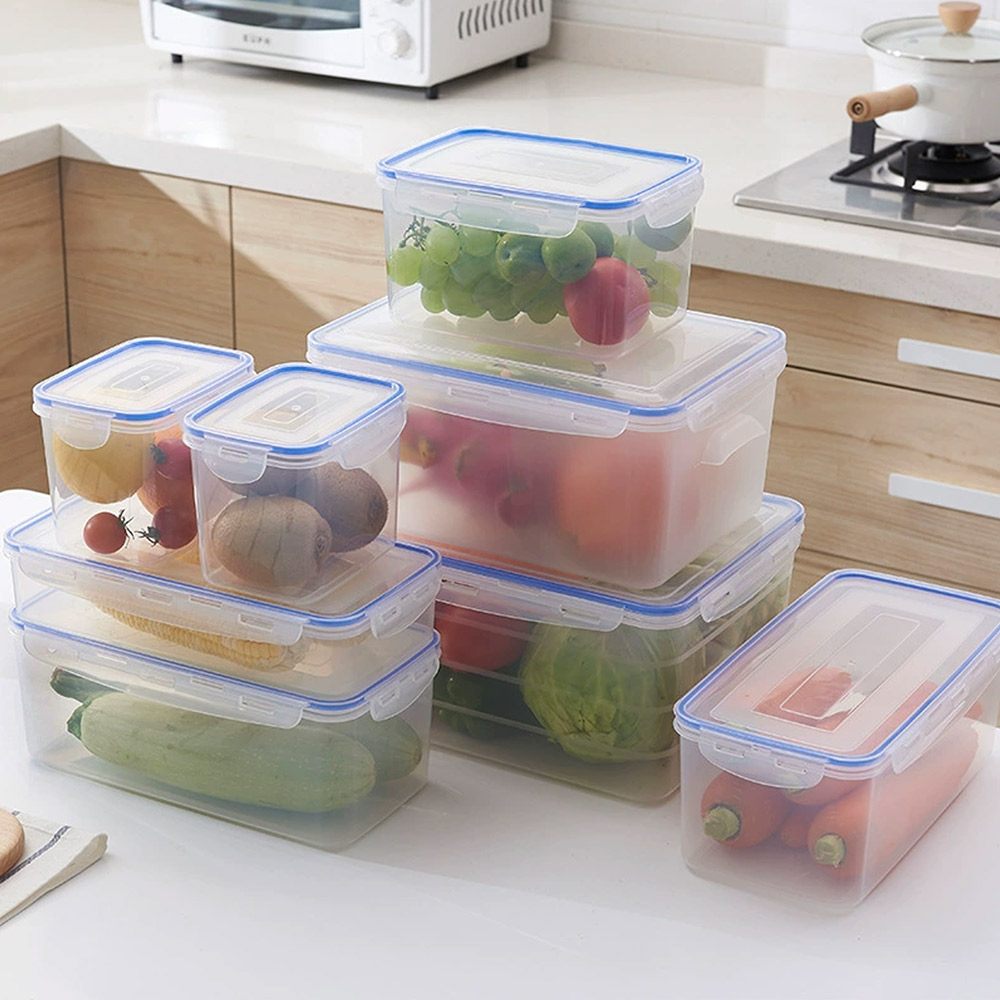
A storage bin and a mold perform different functions. The catalogue ice-bin image shows a lid, scoop and trays, while the food-container image shows boxes with matching lids. Use those views to ask about actual supplied contents. They do not establish that a particular container has been designed to fit a selected popsicle mold.
If the buyer wants a coordinated assortment, provide the intended arrangement and ask for a sample check of the proposed combination. Record the required usable space without assuming it from external dimensions. The table below keeps formation, accessories and storage distinct during the buying discussion.
| Kit decision | Identify in the RFQ | Confirm with the sample |
|---|---|---|
| Mold | Selected shape and supplier reference | Actual construction and configuration |
| Accessories | Stick and cover references | Fit and included quantity |
| Storage | Optional bin or box reference | Usable space and actual contents |
| Finished kit | Agreed commercial contents | Pack identifies the approved combination |
Review the physical set with supplier guidance
Label the received sample and compare its components with the agreed list. Inspect the mold, lid and stick engagement as applicable to the selected configuration. Ask for the relevant supplier care and use information before arranging a functional review. Any question about the intended food-contact use should be answered for the supplied product and target market.
Record the specific observations and unresolved questions. A sample inspection does not establish a service life, universal freezer compatibility or a guaranteed release result. When one of those outcomes matters to the buyer, define the required evidence separately rather than turning a single demonstration into a broad sales promise.
Keep the kit identity stable across reorders
Once the set is approved, connect the mold and accessory references to the finished-kit stock reference. Confirm how loose parts are retained and identified in the proposed pack. If storage is optional, make that choice clear on the order and customer-facing contents description so the two offers remain distinguishable.
Retain an approved packed sample or equivalent component record. Review proposed changes to shapes, sticks, lids or storage items before accepting them under the same kit reference. This supports a repeatable assortment without inventing commercial quantities, compliance results or performance claims that have not been confirmed for the actual supplied combination.
Frequently Asked Questions
Are all pictured accessories included automatically?
No. Ask the supplier to confirm the contents of the quoted unit, including sticks, lids, scoops or trays where relevant.
Can a separate storage box be assumed to fit the mold?
No. Give the supplier the intended arrangement and confirm usable clearance using the proposed samples.
How should replacement sticks be ordered?
Use the confirmed stick reference linked to the approved mold configuration. Request clarification before accepting a substitute.
Send the selected mold image and a component schedule to confirm the proposed kit and optional storage. Browse the product catalogue, read the supplier blog or contact the supplier.