
Kitchen Storage RFQs: Define Each Supplied Unit
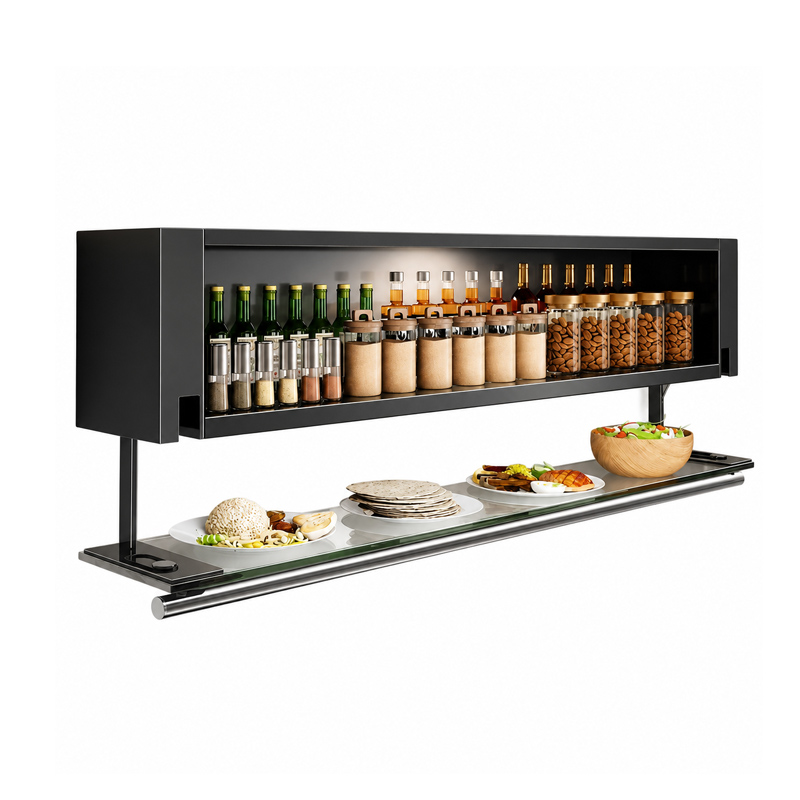
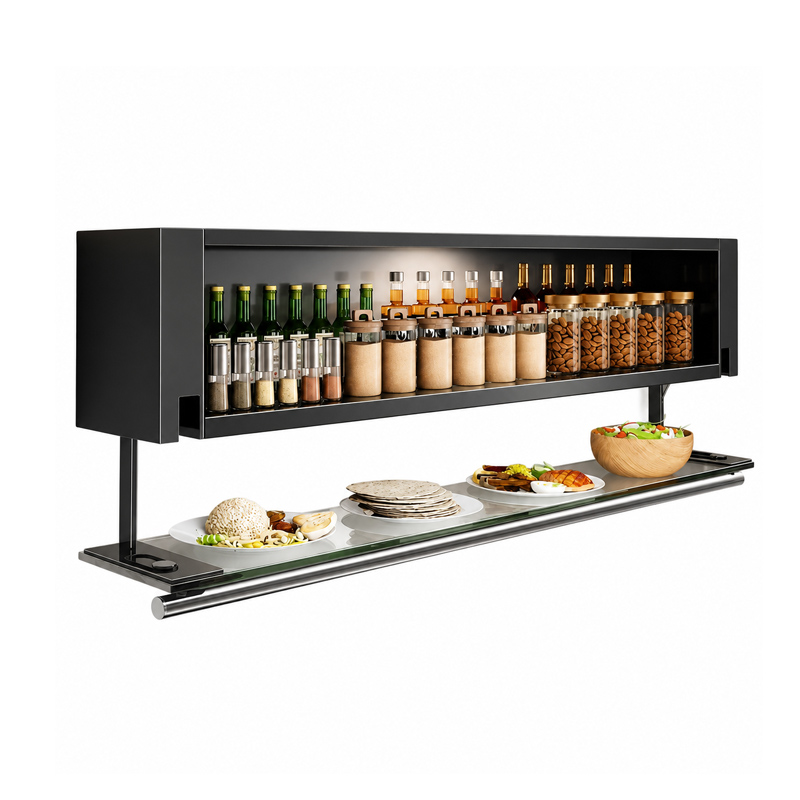
A kitchen storage RFQ should separate the fixed shelf, countertop rack and storage container into identifiable order lines. State where each item will be used, confirm the selected configuration and ask what components are included. Compare physical samples against those references before approving a mixed assortment, rather than assuming a styled catalogue scene describes one complete supplied set.
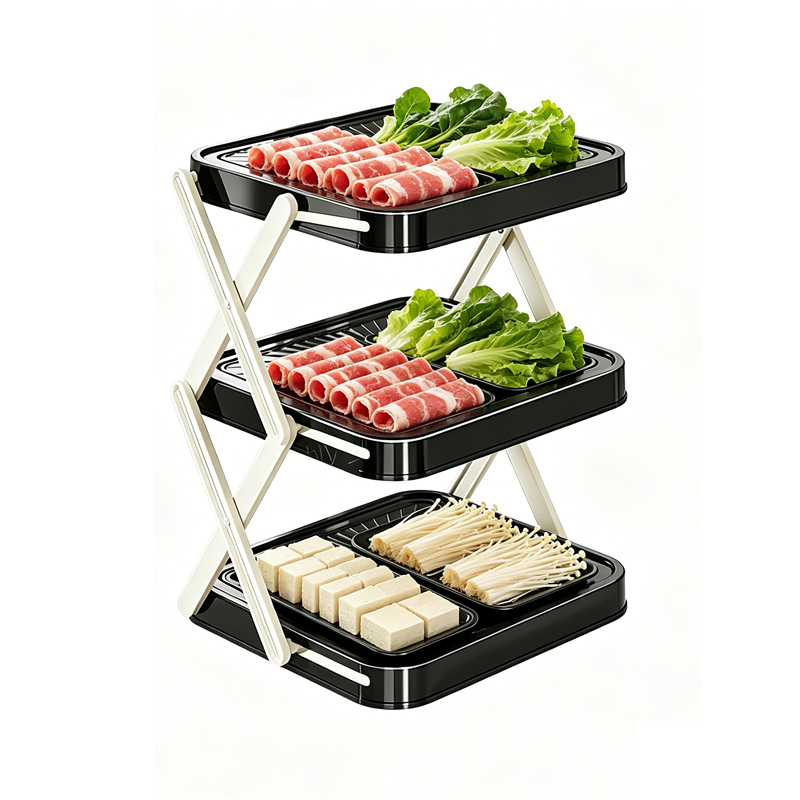
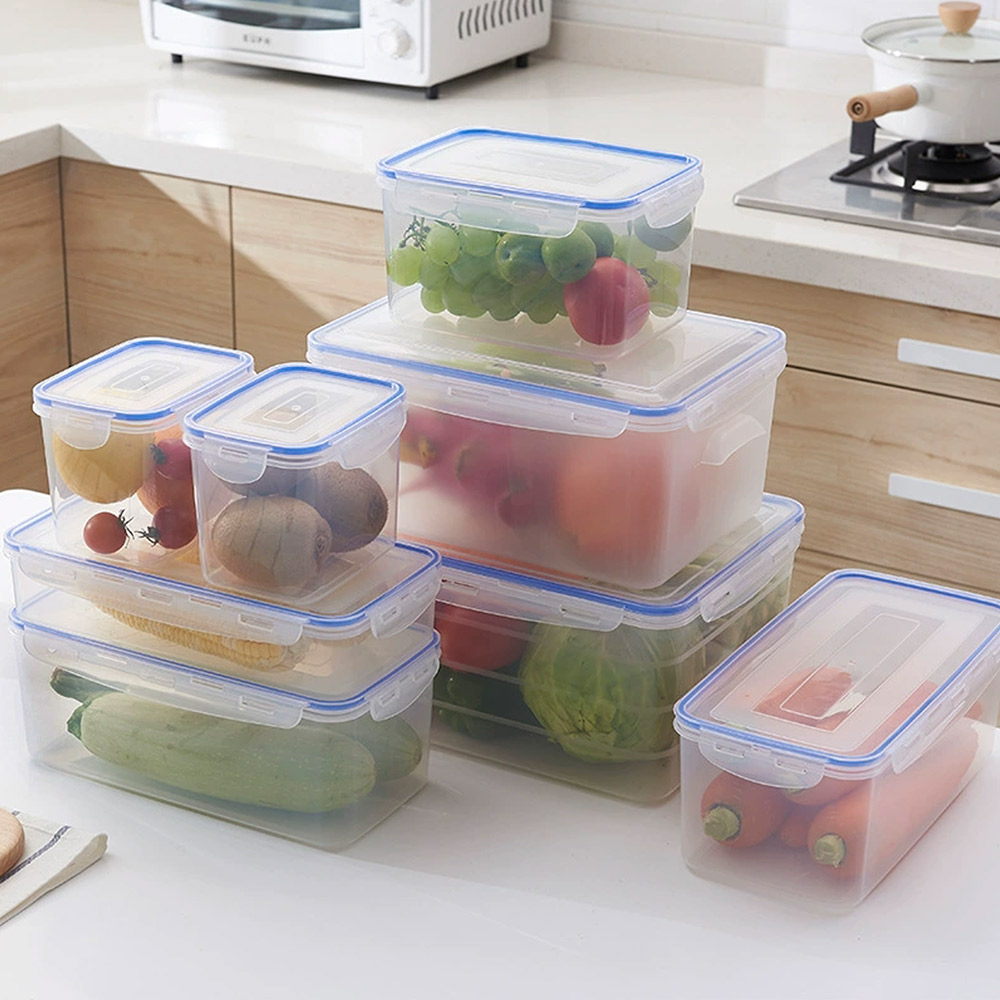
Wholesale kitchen storage ranges often combine fixtures with smaller containers. Their photographs can show an attractive coordinated arrangement while leaving the commercial unit unclear. Yueran lists a wall-mounted kitchen shelf, a folding food preparation rack and separate food storage containers. These actual products illustrate how to prepare a quotation request that purchasing and receiving teams can use.
Separate fixtures from the items placed on them
Begin with the purpose of each order line. A wall shelf provides an installed storage location, a folding rack provides a countertop arrangement, and a container holds a selected contents category. Keep these roles distinct even when the buyer plans to sell them in the same range. The product names alone do not define a bundled offer.
Attach the relevant product URL and ask for the current supplier reference. Request a contents schedule for each commercial unit, including any supports, trays, lids or fittings being offered. Do not assume that jars, food, plates or other styling props shown in a catalogue photograph are included with the fixture.
Catalogue references: Wall-Mounted Kitchen Shelf, Folding Food Prep Rack, Food Storage Containers.
Describe the space that each unit must fit
For a wall-mounted shelf, identify the intended mounting area and the clearance below overhead cabinets. Ask the supplier which attachment arrangement and surface conditions apply to the selected version. Broad installation language on a product page should be clarified against the actual site instead of being treated as a promise for every wall.
For a countertop rack or container, distinguish the outside envelope from the usable space required by the buyer. Supply a marked drawing or representative item where the fit matters. Ask for the dimensions of the selected version and agree any acceptance limits; do not combine dimensions from several listed alternatives into one specification.
- Give each actual product its own order line.
- State the intended location and marked clearance references.
- Confirm components shown beside or inside the product.
- Retain the sample and packing identities for reorders.
Compare quotations against the same scope
A mixed assortment is easier to compare when each supplier answers the same product schedule. State the required configuration, included components and presentation for every line. Keep material descriptions attached to the exact product rather than treating all kitchen storage items as the same construction.
The following table identifies the purchasing questions for the three catalogue examples. It is an enquiry structure, not a statement that a particular mounting kit, tray quantity or container assortment is supplied as standard. Leave any unresolved inclusion clearly marked until the supplier confirms it in writing.
| Product line | Space question | Contents question |
|---|---|---|
| Wall-mounted shelf | Which surface and cabinet clearance apply? | Which fittings are included? |
| Folding preparation rack | What is the selected working arrangement? | Are trays part of this unit? |
| Storage containers | Which outside and usable dimensions apply? | Which boxes and matching lids are supplied? |
| Mixed assortment | How will items be identified at receipt? | Are all order lines separately traceable? |
Approve samples in their intended arrangement
Review the selected samples using the agreed space references. Check that the fixture and container identities match the quotation and that the proposed assembly can be understood from the supplier instructions. Record visible differences with photographs and ask for clarification before treating a substitute as equivalent.
A sample arrangement can answer a fit question without establishing a load rating, food-contact result or cleaning performance. If the buyer requires those outcomes, request product-specific evidence separately. Keep the approval record focused on the configuration actually reviewed, including the components and pack references that will be used on the order.
Carry product identities through receiving
Connect each approved supplier reference to the buyer stock reference. For a mixed shipment, agree how shelves, folding racks and container sets will be identified at the relevant packing levels. A warehouse should be able to reconcile the order without reconstructing the original styled scene from a sales photograph.
Retain the approved sample record and final contents schedules for reorders. Review changes to fittings, trays, lids or product versions before accepting them under an existing stock reference. This creates a practical assortment specification while keeping prices, quantities, delivery terms and performance requirements available for direct confirmation in the commercial enquiry.
Frequently Asked Questions
Does a styled shelf photograph define the supplied set?
No. Ask for a written contents schedule. Food, jars and plates may illustrate use rather than describe the commercial unit.
Can one dimension describe the complete range?
No. Identify the selected version for each line and confirm its relevant dimensions against the intended location.
What belongs with the final RFQ?
Include product URLs, supplier references, space requirements, requested components and the proposed sample approval points.
Send a product-by-product scope sheet and marked space references when requesting the assortment quotation. Browse the product catalogue, read the supplier blog or contact the supplier.