
Fabric Wardrobes: Match Covers to Frame Sets
Match a fabric wardrobe cover to its identified frame set and closure style before approving the packed unit. Keep patterned zipper-cover versions separate from curtain-style constructions, confirm the current component list and label each selected configuration clearly. Retain the agreed cover reference and assembly information so a replacement cover or later reorder is checked against the actual approved version.
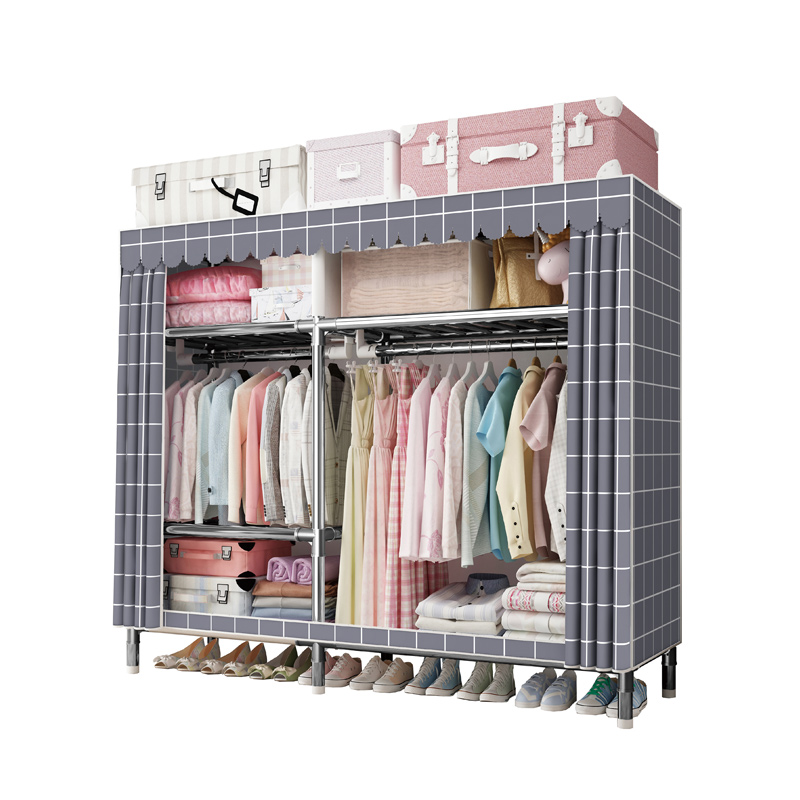
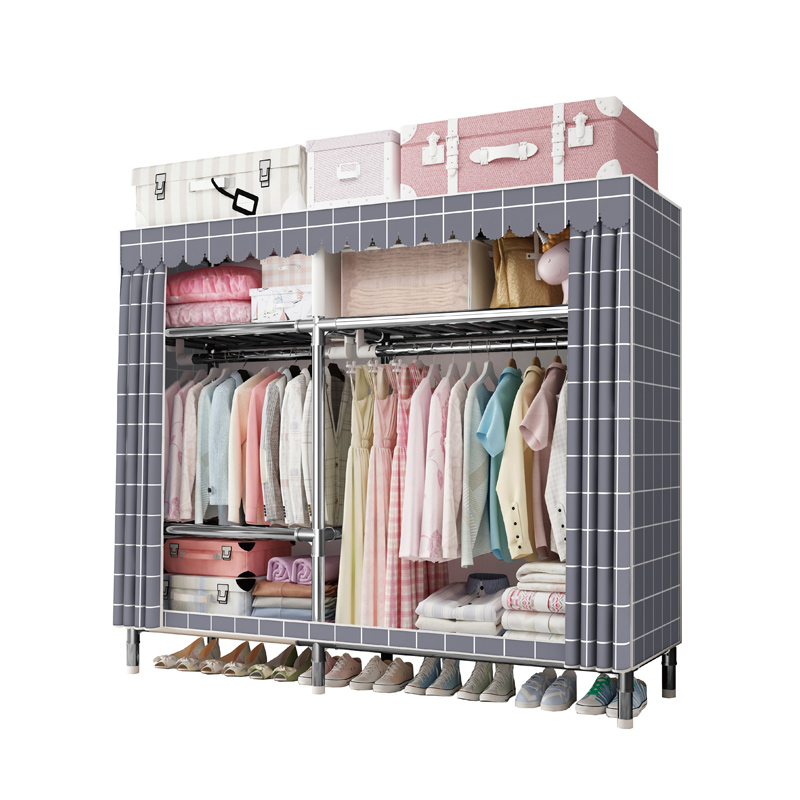
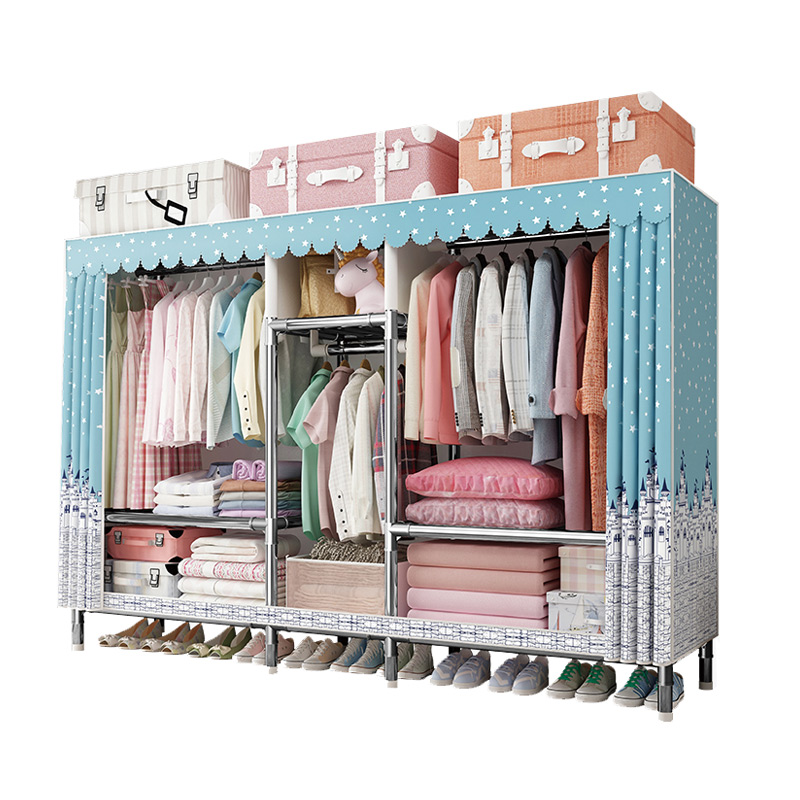
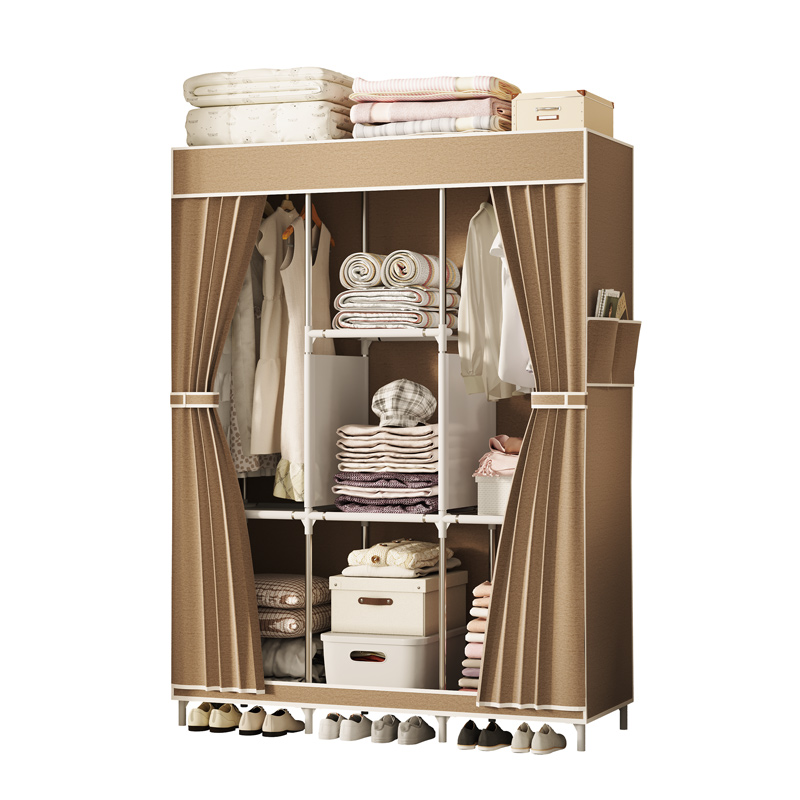
A cover pattern is visible immediately, while the frame and connection details can be less obvious in a catalogue scene. Wholesale buyers need both pieces of information. Yueran lists Light Luxury Grid, Blue Castle and Dark Coffee Curtain Style wardrobes, providing concrete examples of why a cover name should stay connected to a complete construction reference.
Read construction and cover style together
The Light Luxury Grid and Blue Castle listings describe a shared patterned-wardrobe structure, while the Dark Coffee Curtain Style listing describes a different curtain-front construction. Use each actual product URL in the enquiry. Ask the supplier to identify the current frame, joints, cover and closure for the selected version.
Do not treat a shared household purpose as evidence that covers or components are interchangeable. The listed construction descriptions differ, and a new buyer may not recognise that distinction from the pattern alone. Give each approved version its own purchasing reference and keep the relevant catalogue photograph with it.
Catalogue references: Portable Wardrobe: Light Luxury Grid, Portable Wardrobe: Blue Castle, Fabric Wardrobe: Dark Coffee Curtain Style.
Confirm the frame and cover component schedule
Request the component list for the selected set, including the frame parts, connection pieces, hanging sections, shelves and cover as applicable. Ask for the relevant assembly information and part identifiers. A photograph of an assembled wardrobe does not explain how the supplier divides the frame into the packed components.
Confirm whether a proposed replacement cover is intended for the approved frame reference. Where the buyer needs dimensions, request them for the actual supplied version and define the measurement points. Avoid assuming that a similar exterior size proves matching joints, shelf arrangement or cover attachment.
- Identify frame construction and cover style together.
- Request a component schedule for each selected set.
- Distinguish pattern changes from construction changes.
- Retain the packed sample and replacement-cover reference.
Make variant labels useful at receiving
A warehouse may receive patterned and plain curtain-style sets together. Agree how each version is identified on the saleable pack and any grouped packing levels. The label should connect the cover reference to the correct complete set, rather than using a broad description such as fabric wardrobe for every line.
Use the comparison below to organise the supplier response. It records distinctions visible in the actual listings without claiming that unconfirmed spare covers fit multiple frames. Confirm the final wording and packing identity against the approved sample, especially when a catalogue lists several patterns under one product page.
| Catalogue version | Reference to keep | Confirmation required |
|---|---|---|
| Light Luxury Grid | Pattern and complete-set identity | Current frame and cover construction |
| Blue Castle | Separate pattern reference | Whether the quoted structure matches the stated version |
| Dark Coffee Curtain Style | Curtain-front construction reference | Actual frame, joints and supplied cover |
| Replacement cover | Approved frame and cover identifiers | Compatibility with that exact set |
Approve one complete packed reference per version
Request a packed sample or a complete documented packing reference for each selected construction. Compare the contents with the component schedule and follow the supplier assembly guidance during the review. Record missing, substituted or unidentified items before approving the commercial order.
Assess the cover appearance and closure against the agreed sample, keeping any observation specific to that version. Do not repeat broad catalogue promises about dust, mites, load capacity or structural superiority without suitable product-specific evidence. Styling boxes, clothing, shoes and bedding in the images remain separate inclusion questions.
Control cover changes and later replacements
Keep the approved frame reference, cover reference, closure description and packing version together. A reordered cover should be traced to that record before it is accepted as a replacement. When the supplier proposes a change, ask which frame or component identifiers are affected and whether the previous cover remains appropriate.
For a new pattern on an existing construction, confirm that the physical configuration remains the approved one rather than assuming it. Update the variant label and artwork record as needed. This creates a practical path for range expansion and replacement enquiries while keeping the commercial set identifiable across purchasing, receiving and customer support.
Frequently Asked Questions
Can the cover pattern alone identify a complete wardrobe?
No. Keep the pattern linked to the frame construction, closure style and current supplier reference.
Are curtain and zipper covers interchangeable?
Do not assume so. Ask the supplier to confirm compatibility with the specific approved frame and component set.
What should be retained for a replacement enquiry?
Keep the frame and cover references, relevant dimensions, assembly information, approved photographs and packing identity.
Send the selected cover reference and complete-set requirements to confirm the frame, components and packing identity. Browse the product catalogue, read the supplier blog or contact the supplier.