
Folding Chair RFQs: Confirm the 1.2 kg Version
For the Outdoor Folding Chair listing, ask which quoted chair version the approximate 1.2 kg statement describes. Confirm whether the mass refers to the complete chair alone or another defined supply. Keep any carry bag and packed-unit weight separate, and retain the supplier’s response with the exact product and sample reference.
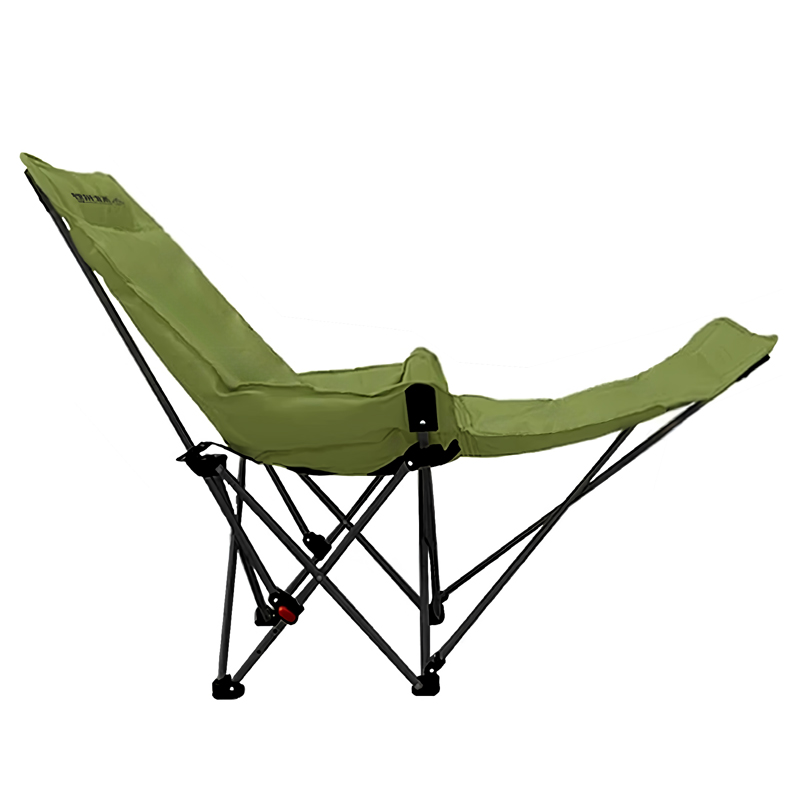
Official main product image supplies one chair-frame presentation. It does not prove the approximate 1.2 kg statement or identify which listed size the supplier will quote.
Link the light-weight statement to one chair
Yueran’s Outdoor Folding Chair listing describes a chair at approximately 1.2 kg and mentions a compact carry bag. The page also presents several size entries without assigning that weight to one identified version. For a wholesale recliner enquiry pointing to this catalogue page, the useful question is which actual chair the weight statement describes.
Start with the selected product image and ask the supplier for the proposed item reference. Keep the approximate catalogue figure in the enquiry as a question to confirm. Do not make it a fixed order requirement or apply it across every size and frame presentation before the supplier explains the scope.
Identify the quoted frame and included components
Ask the supplier to show the exact offered chair and identify its complete configuration. Where catalogue presentations appear different, request a direct link between the selected view and the quotation. A shared green fabric colour or product-family name is not enough to explain which complete unit is being discussed.
The page lists steel tube and Oxford fabric as its material description. Retain that supplier wording separately from the weight response. Ask which supplied components form the complete chair for the stated mass. If a proposed version changes the frame, fabric panel or another included part, request the corresponding updated weight basis instead of carrying an old figure forward.
Select one chair presentation and proposed item reference.
Identify the complete supplied chair configuration.
Ask which version the approximate catalogue weight covers.
Keep any changed component proposal visible.
The supplier-posted outdoor scene is another catalogue presentation. Match the actual proposed frame and components to the quotation rather than assuming this scene represents the same weighed sample.
Keep chair, carry kit and package mass separate
Ask whether the supplier’s response describes the complete chair alone, the chair with a carry bag, or another explicitly defined arrangement. A carry bag mentioned in the description should have its supply and weight scope clarified rather than automatically added to or excluded from the 1.2 kg statement.
If the buyer needs a weight for the full retail unit, request that separately. Name the included bag, packaging and any other proposed item. Keep carton gross weight on its own line as well. These distinctions let a buyer compare a portable chair claim with a logistics proposal without using the same unlabelled number for both purposes.
Use a version-and-weight enquiry table
The worksheet below requests a supplier response; it is not a completed Yueran specification. Leave the mass fields open until the supplier identifies what was measured or proposed. Retain its original wording when translating the response into an internal purchasing record.
Weight field
Scope to identify
Reference to retain
Catalogue approximation
Version covered by about 1.2 kg
Supplier explanation and selected image
Complete chair
Named configuration and included parts
Item or sample reference
Carry arrangement
Chair plus any included bag or item
Confirmed supply scope
Packed unit
Actual retail packaging and contents
Packing proposal and weight basis
The page’s carry illustration depicts a chair and bag arrangement. Its printed steps are not this article’s instructions, and the graphic does not define whether the bag is included in a weight entry.
Do not use the size list as a weight allocation
The page lists three size strings: 43 × 43 × 93 cm, 158 × 41.5 × 90 cm and 40 × 40 × 68 cm. Ask the supplier which entry, if any, belongs to the selected proposal. Keep the original strings visible instead of guessing that they describe different states of one chair or that every entry shares the same mass.
The dimension explanation and the weight explanation should point to the same item reference. A supplier may answer one field while leaving the other unresolved. Keep that remaining question visible rather than treating a returned size description as confirmation of the approximate weight.
Retain the actual sample basis
If a sample-weight check is needed, agree the included components and review method before using it for acceptance. Record the sample identity and actual observation. Keep that result distinguishable from the supplier’s approximate catalogue statement, and ask for clarification if the proposal or included carry arrangement changes.
An approximate figure does not supply a numerical tolerance, and product mass is not a load rating. Keep carrying-capacity or other performance requirements separate. Close the enquiry by retaining the selected chair reference, supply scope and supplier weight response with the quotation. Send open points through the Yueran contact page.
Outdoor chair weight questions
Does about 1.2 kg apply to all listed sizes?
The inspected text does not map it that way. Ask the supplier to identify the specific proposed version and the basis of its weight response.
Is the carry bag included in the figure?
Request a clear scope. Keep complete-chair mass, any carry arrangement and packed-unit weight as separately named fields.
Does the product weight show how much it can carry?
No. Ask for any required carrying-performance information separately for the actual proposed chair, with its own defined evidence.
Outdoor Folding ChairsWeight BasisQuoted Version