
Clothes Rack RFQs: Request Load Claim Evidence
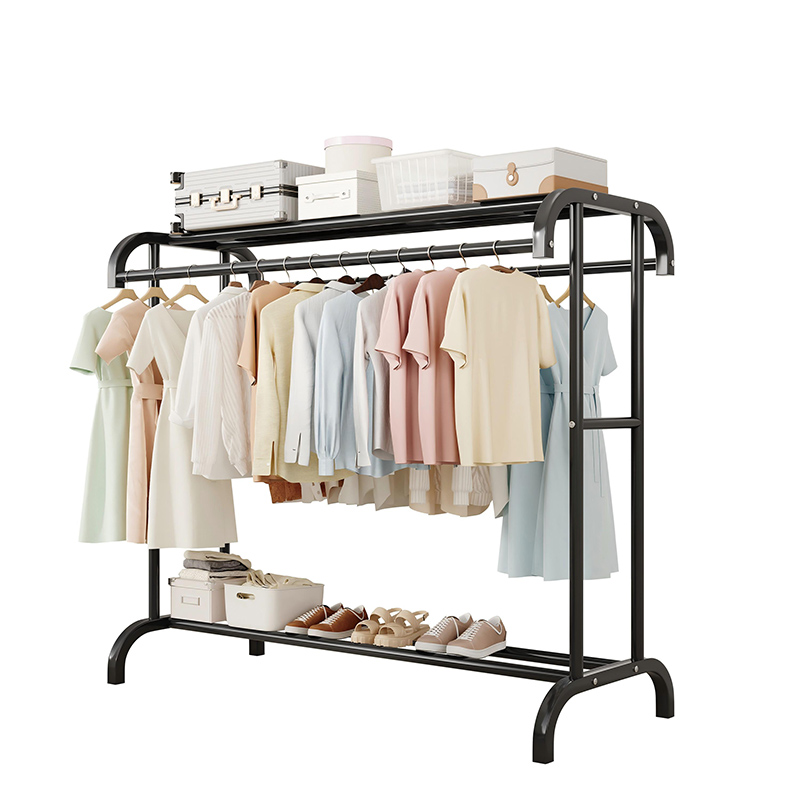
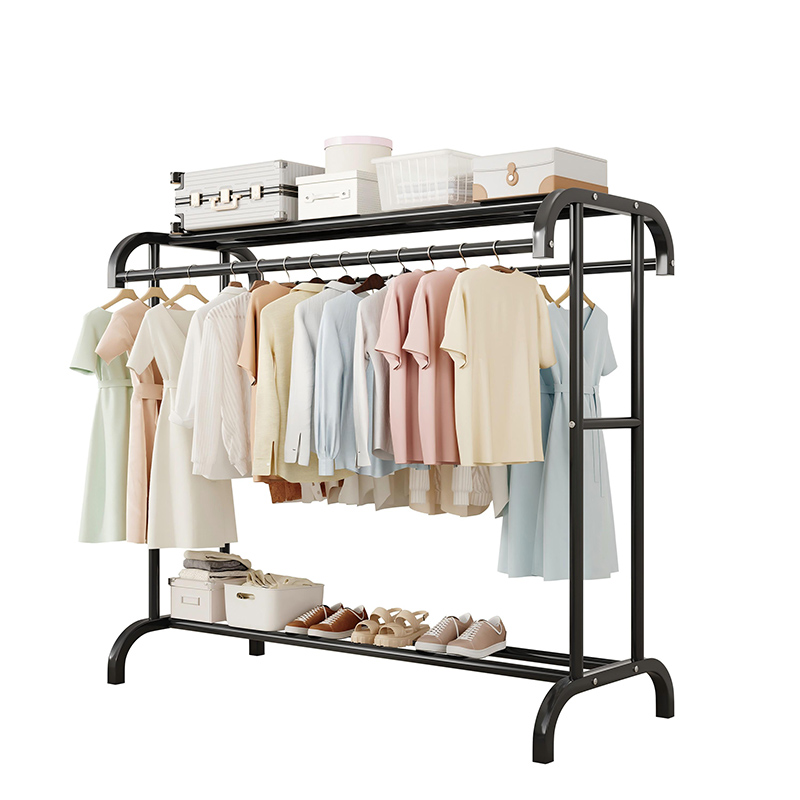
Request load-claim evidence for the exact rack version, including what the stated load describes, the configuration assessed and the source of the supporting result. Keep whole-rack, rail and shelf statements distinguishable where they are used. A styled catalogue photograph is a product reference, not evidence that a particular loading condition or acceptance requirement has been assessed.
A buyer can see many garments or storage items in a clothes rack image without knowing whether the scene represents a measured result. The useful RFQ question is documentary: which exact claim is being made, what object does it describe and what product-specific evidence supports it? This guide does not set a load rating or prescribe a test procedure.
Ask for the actual claim in plain words
Keep any requested or proposed load statement separate from general descriptions such as sturdy or large capacity. Ask the supplier to explain exactly what the statement refers to. Do not convert a marketing phrase, a garment count in a photograph or the apparent frame size into a numerical load requirement.
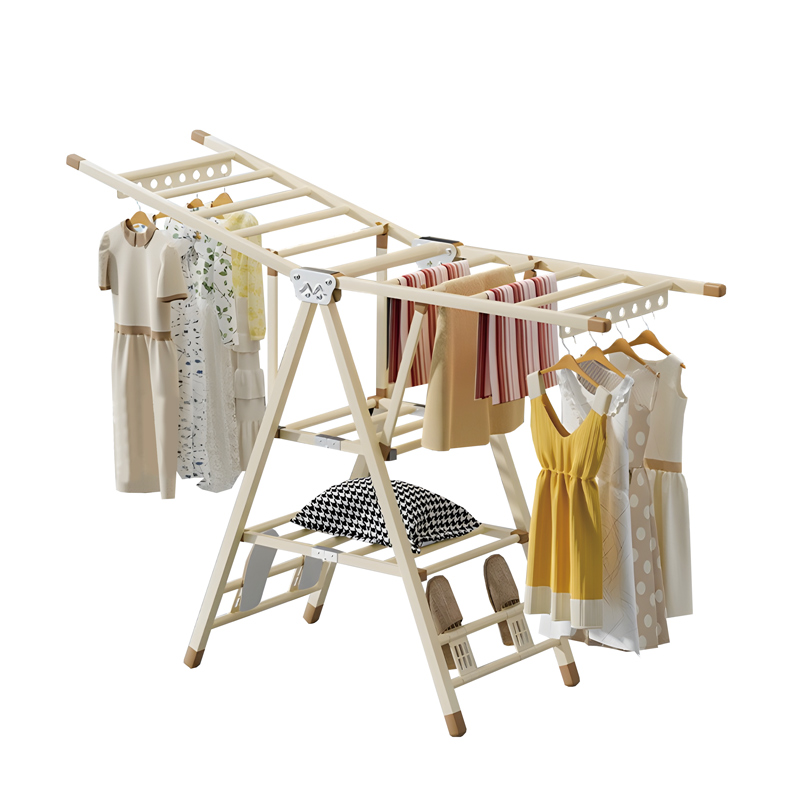
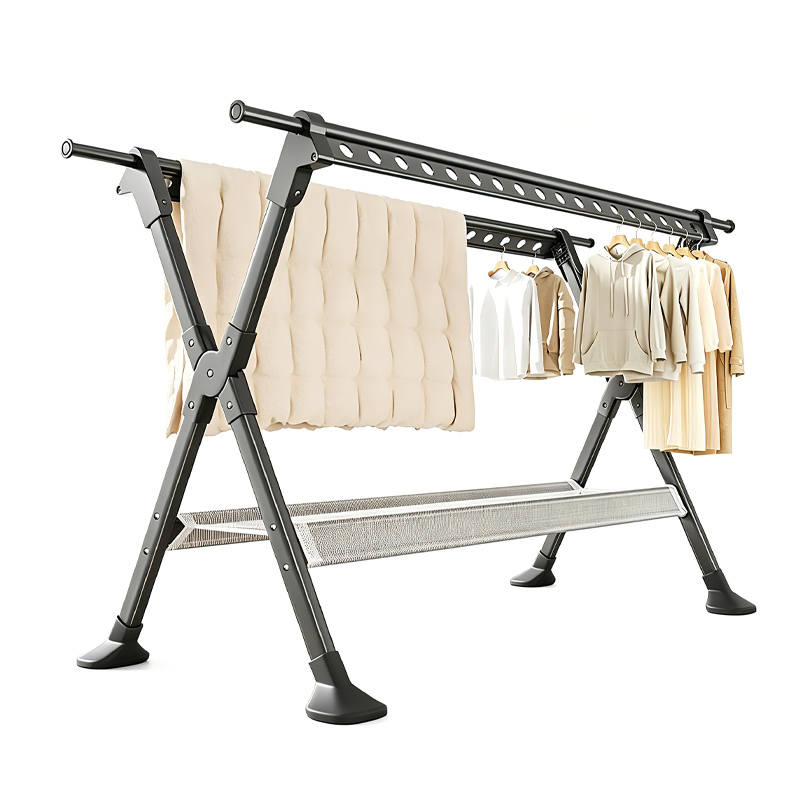
Identify the selected product reference beside the claim. The Yueran hanging and shelf rack, folding drying rack and horseshoe style drying rack have different visible arrangements. A result attached to one construction should not silently become evidence for every rack in the catalogue.
- Exact proposed claim and named object
- Selected rack and assessed configuration
- Supporting source, date and product identity
- Recorded decision and unresolved evidence questions
Name the part or assembly being described
Ask whether a proposed statement describes the complete rack, one hanging area, a shelf or another explicitly named part. Keep those objects in separate fields when necessary. An unexplained number beside a product photograph can leave the buyer uncertain about the physical scope of the supplier’s assertion.
Ask the supplier to identify the relevant configuration and supporting document for that scope. Do not assume that statements concerning several parts can simply be added together to create a complete-rack figure. Resolve what the actual claim means before using it to compare quotations or prepare a customer-facing description.
| Evidence field | Question for the supplier | Do not infer |
|---|---|---|
| Claim scope | Whole rack, rail, shelf or another object? | A rating from a styled image |
| Product identity | Which exact version was assessed? | Equivalence from similar appearance |
| Supporting basis | Which source and recorded conditions? | A new rating or certification |
Connect supporting information to the selected version
Request the reference, date and issuer of the supporting information the supplier proposes to use. Ask how the assessed product is identified and whether the evidence describes the same construction as the offered sample. A document for an unnamed item leaves an important traceability question even when its presentation looks formal.
Keep differences in configuration visible for review. Ask the supplier to explain whether a changed rail, shelf, base or other version detail affects the proposed evidence. Do not fill a missing link with an assumption that a similar appearance or shared product-family name establishes the same assessed construction.
Leave the assessment basis with responsible parties
Ask what loading basis and assessment conditions the supporting information actually records. Keep the explanation with the claim rather than reducing the evidence to one isolated figure. If the buyer needs a defined evaluation for an intended application, have the responsible supplier and assessment provider agree the appropriate method and acceptance basis.
This request is not a set of instructions for loading a rack or a substitute for a qualified assessment. Keep unresolved questions pending. A purchasing team can check whether the evidence identifies the offered product without inventing its own test conditions or treating a catalogue arrangement as an assessment already completed.
Separate the claim decision from the order contents
Record whether the proposed evidence has been accepted for the buyer’s intended statement, requires clarification or needs another review. Keep that decision beside the sample and document references. Do not let approval of colour, supplied parts or packing identity silently imply acceptance of a load claim that remains unresolved.
Before repeating a claim on a later order, ask whether the product version and supporting reference remain current for the proposal. Retain the evidence request and resolved response with the RFQ record. This provides a traceable purchasing decision without inventing a rating, certification, service life or guarantee for the racks shown.
Frequently Asked Questions
Does a photograph full of clothes prove a rating?
No. It is a catalogue presentation. Ask for the actual claim, the product it describes and the supporting information proposed by the supplier.
Can a rail statement be used as a whole-rack statement?
Do not assume that relationship. Ask the supplier to identify each object and explain the scope of the supporting evidence before comparing the claims.
Does this guide define a load test?
No. It describes an evidence request. Any required assessment method and acceptance basis belong with the responsible supplier and assessment provider for the intended application.
What should be retained with the RFQ?
Keep the claim wording, product and sample identifiers, supporting reference and resolved review decision. Leave unanswered evidence questions visible rather than treating them as accepted.
Compare the Yueran product references and buyer blog while preparing a product-specific evidence request. Send the selected rack, proposed claim wording and open document questions through Yueran contact.